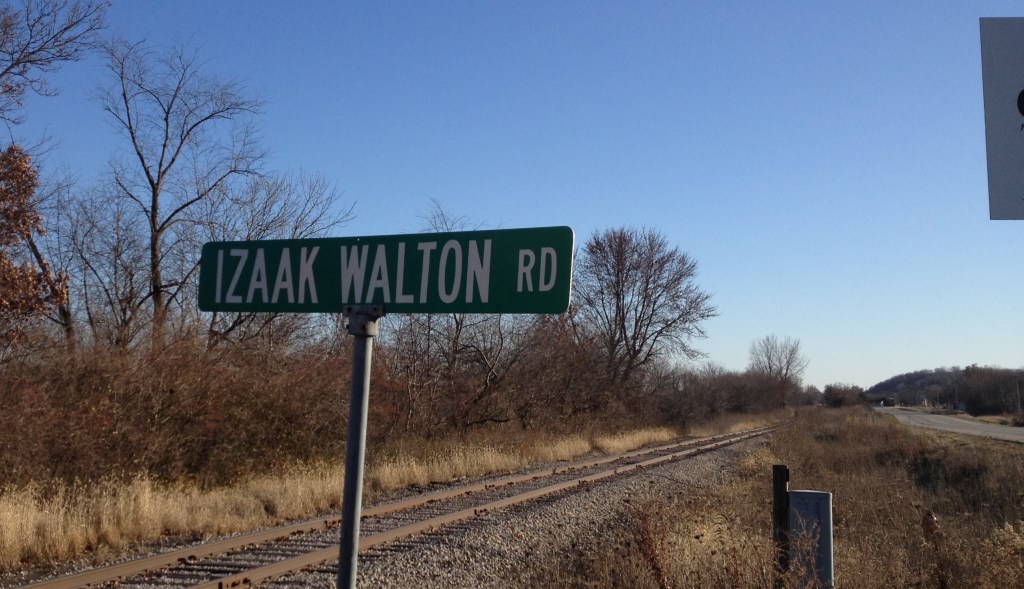
Laura Julier in Off Izaak Walton Road marks out the perimeter of the losses in her life, not by confiding them to the page, but by careful indirection. She brings the reader with her as she retreats to a house on a rural road and season by season discovers the particulars of the world that goes on without all of us. Her power of attention is formidable and her prose is at every point lucid.
—Sven Birkerts, author of The Miro Worm and the Mysteries of Writing
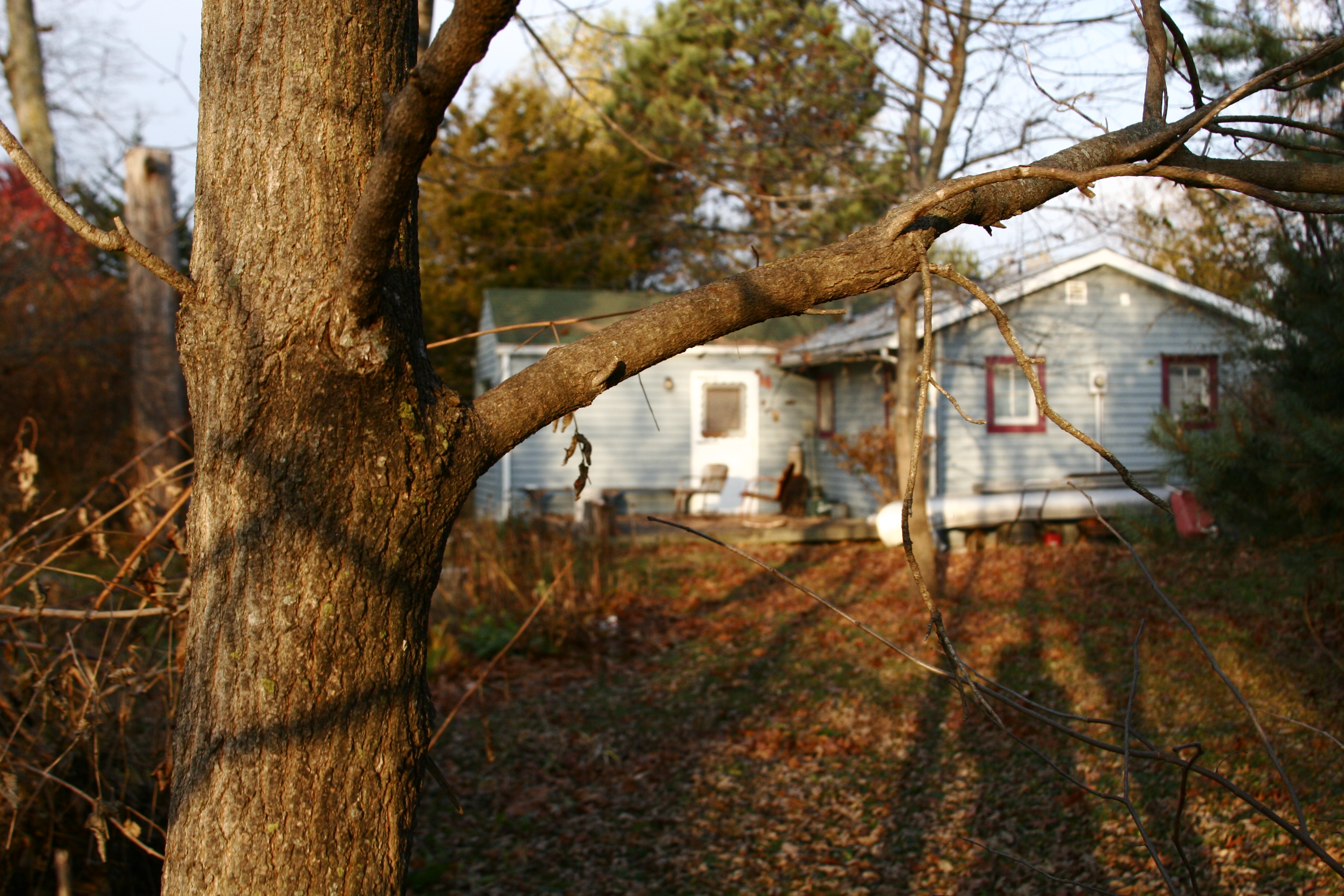
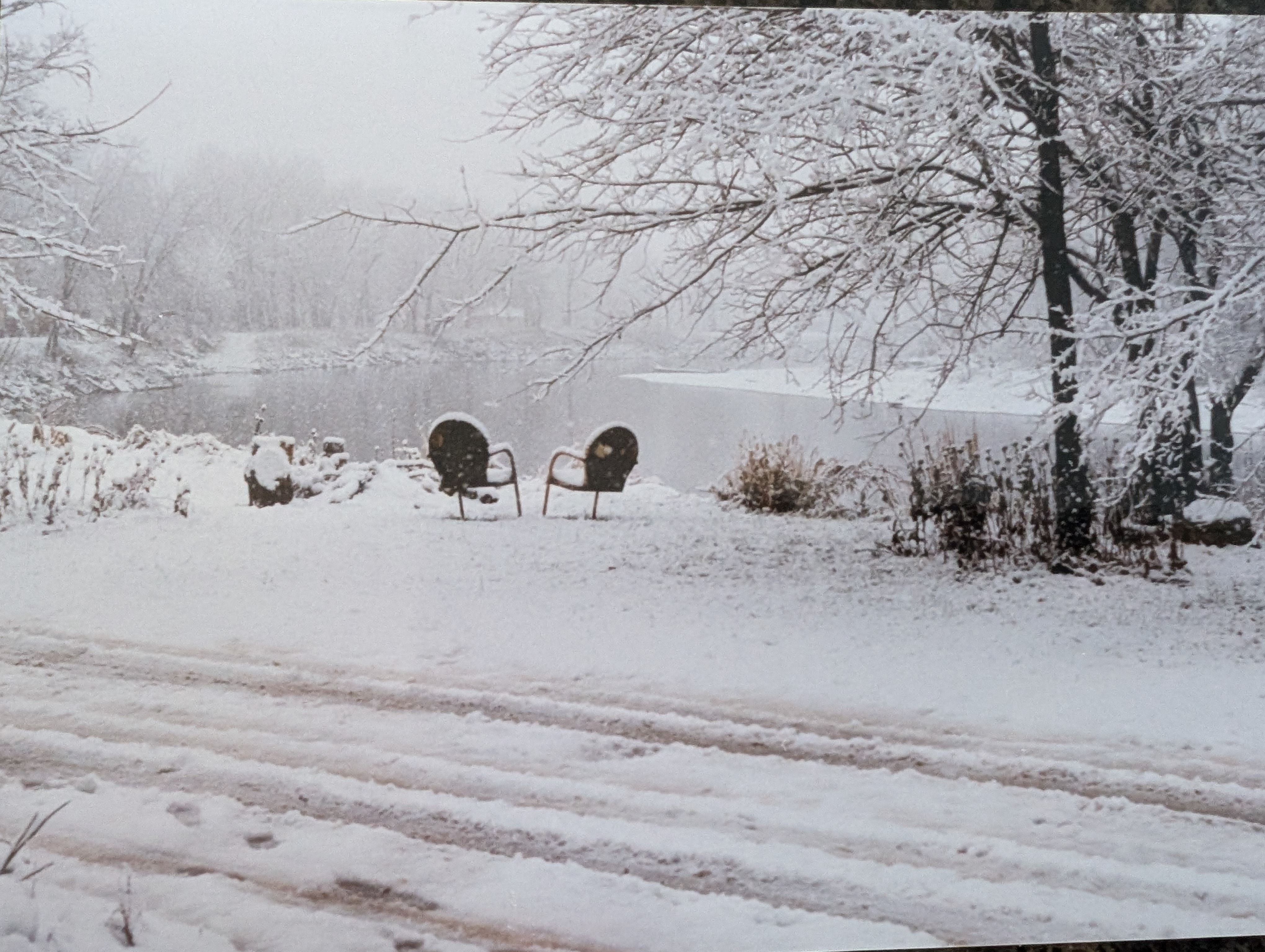
Many of our ailments, both personal and planetary, arise from the delusion that humans are separate from the rest of nature. Laura Julier knows better. This lyrical memoir chronicles how she recovered from “losses and wounds” by communing with the land, waters, and creatures in a patch of Iowa that has claimed her heart. While that cherished place suffers from climate disruption and sprawl, it still provides her with a nurturing home. Readers of this book, reminded of their membership in the web of life, may find their own sorrows eased.
—Scott Russell Sanders, author of The Way of Imagination
In this lyric memoir, Laura Julier takes us on a journey through long-held feelings of loss and grief—experienced through various landscapes—until she lands in a cabin along the Iowa River, a place neglected and damaged, yet abounding in wildlife. Off Izaak Walton Road shows the power of natural places to heal both themselves and those who carefully attend to them. Julier finds the hidden beauty and quiet life still thriving after derechos and historic floods. From barred owls fledging in a damaged silver maple to beavers damming a culvert, she notices the exquisite amongst the discarded and ties it to her own journey of self-discovery and emotional redemption.
—Mary Swander, author of Driving the Body Back and The Desert Pilgrim
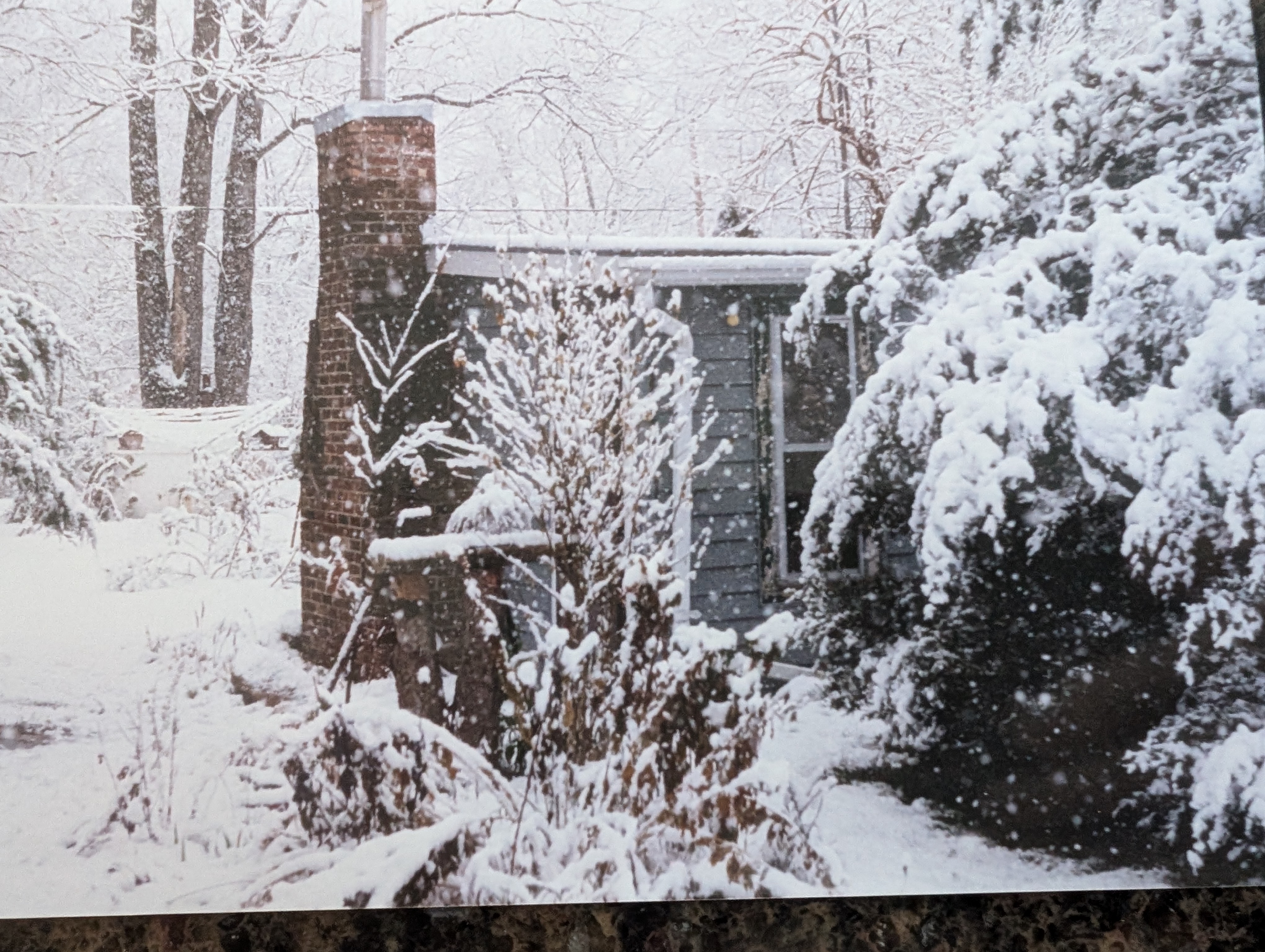
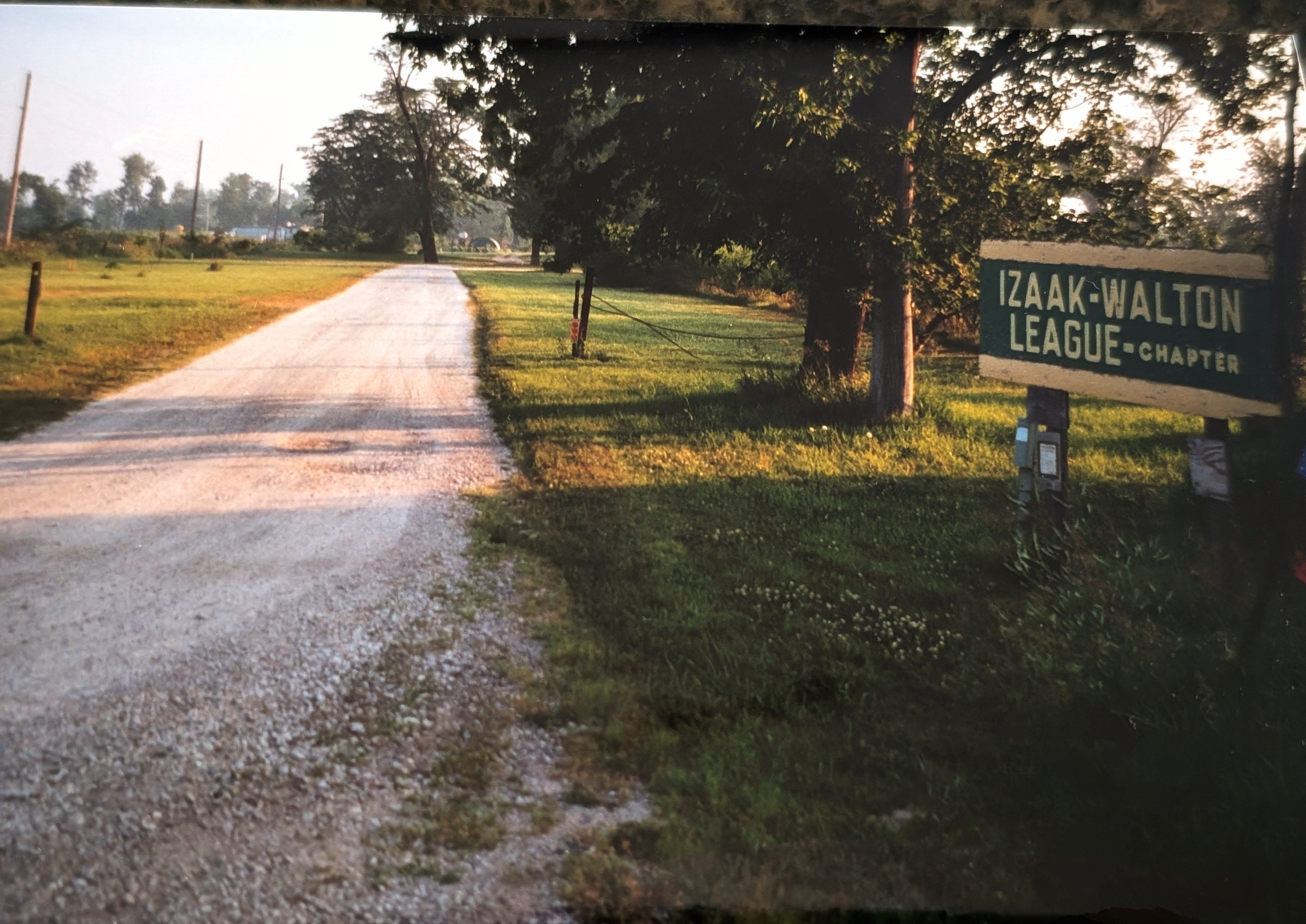
In this moving memoir, Laura Julier seeks to “return to the lessons of paying attention” within a beautiful, yet fragile Midwestern place. In doing so, she discovers a world of natural wonders—the songs of winter owls and spring peepers, the colors of summer daylilies and wild roses, the signs of deep geologic time in the earth beneath her feet. Inwardly, as well, she explores her own heart’s longing, in the face of loss, for healing and understanding. Wherever you live, this book will lead you toward a newly meaningful—and essential—relationship to home.
—John T. Price, author of All Is Leaf: Essays and Transformations
 Laura Julier